
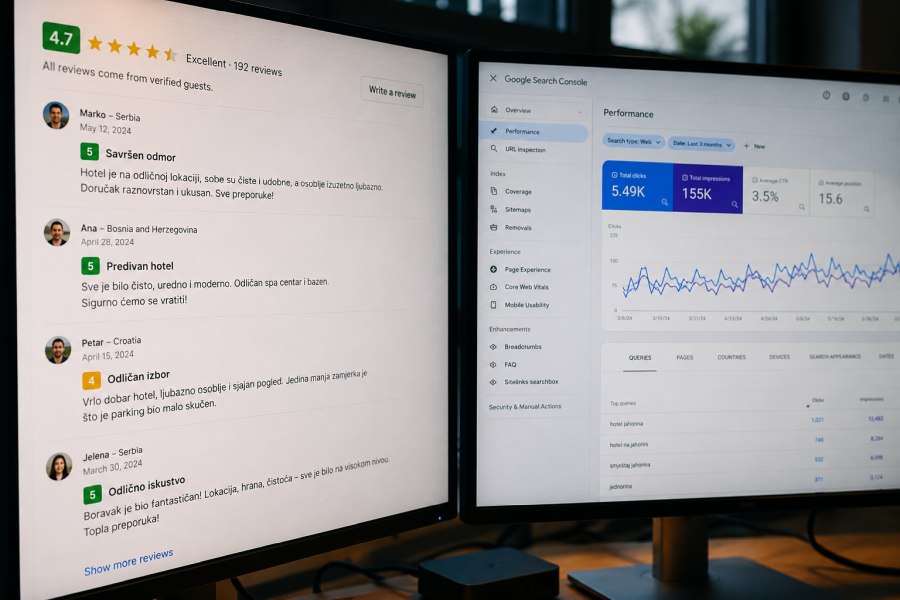
For years, digital marketing was built around one simple goal: ranking as high as possible in Google Search.
If you had quality content, strong backlinks, and a technically optimized website, you had a good chance of attracting new visitors and customers.
However, over the past year, we have witnessed a shift that could be just as significant as the rise of Google search itself two decades ago.
More and more people are no longer looking for answers on Google.
Instead, they open ChatGPT, Gemini, Perplexity, or Copilot and ask direct questions such as:
“What is the best ski resort hotel in the Alps?”
“Which agency builds high-converting websites?”
“What is the best SEO tool for small businesses?”
The answer they receive is no longer a list of links.
It is a recommendation.
That is exactly why an entirely new discipline is emerging within digital marketing.
Adobe Warns That Search Is Changing
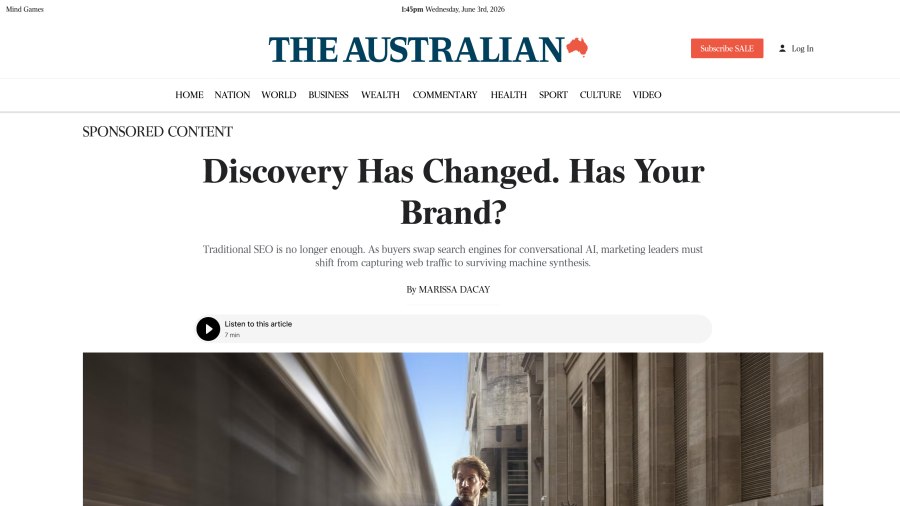
A few days ago, Adobe published an article discussing how consumers are discovering products, services, and brands differently than they did just a few years ago.
Their message is simple:
The focus is no longer only on SEO rankings and Google positions.
What increasingly matters is how artificial intelligence describes your brand and whether it considers your company a trustworthy source of information.
In other words, appearing on the first page of search results is no longer enough.
AI systems must also recognize your brand as relevant, authoritative, and credible.
This is essentially the same message that Semrush has been promoting through its recent marketing campaigns.
An Entirely New Industry Is Emerging
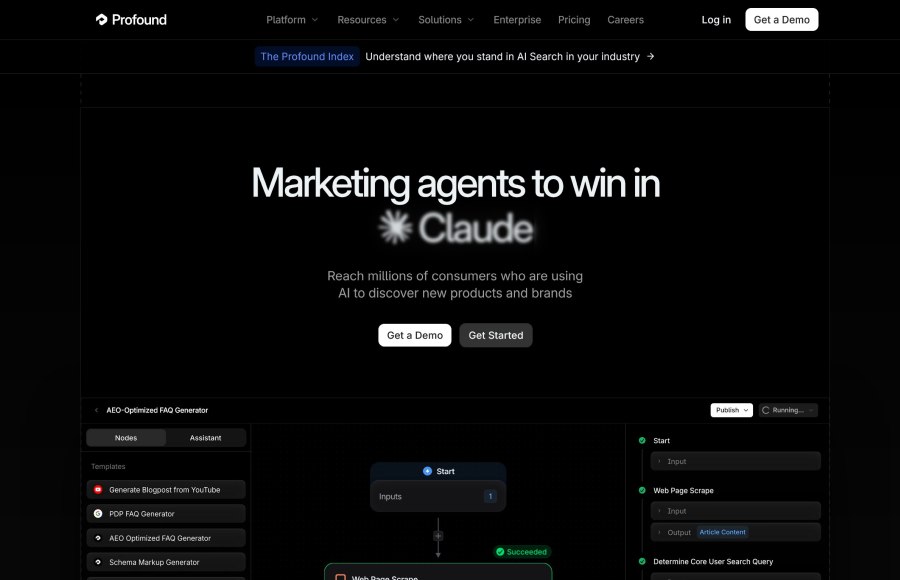
Profound is the enterprise leader in AI visibility tracking
Whenever a new challenge appears, the market quickly creates solutions.
Over the past several months, a new category of software platforms has emerged with a specific purpose:
To measure how AI systems perceive a brand.
Their goal is to answer questions such as:
- How does ChatGPT describe my company?
- Does Gemini recommend my business?
- Which sources does Perplexity use when discussing my brand?
- What negative information is AI most likely to mention?
Semrush is one of the best-known players in this space, but it is no longer alone.
Platforms such as Profound, AthenaHQ, Goodie AI, LLMrefs, ZipTie, and others are now competing in what is becoming known as AI Visibility Tracking.
Just one year ago, this category of analytics barely existed.
AI Remembers Negative Information Too
One of the most interesting discussions within the SEO community today revolves around how AI systems present brands and businesses.
Recent studies suggest that Google’s AI Overviews may, in some situations, highlight negative feedback more frequently than ChatGPT.
Of course, most AI-generated answers remain neutral or positive.
However, when a company has well-known issues involving customer support, hidden fees, poor service quality, or a large number of negative reviews, AI systems often include those details in their responses.
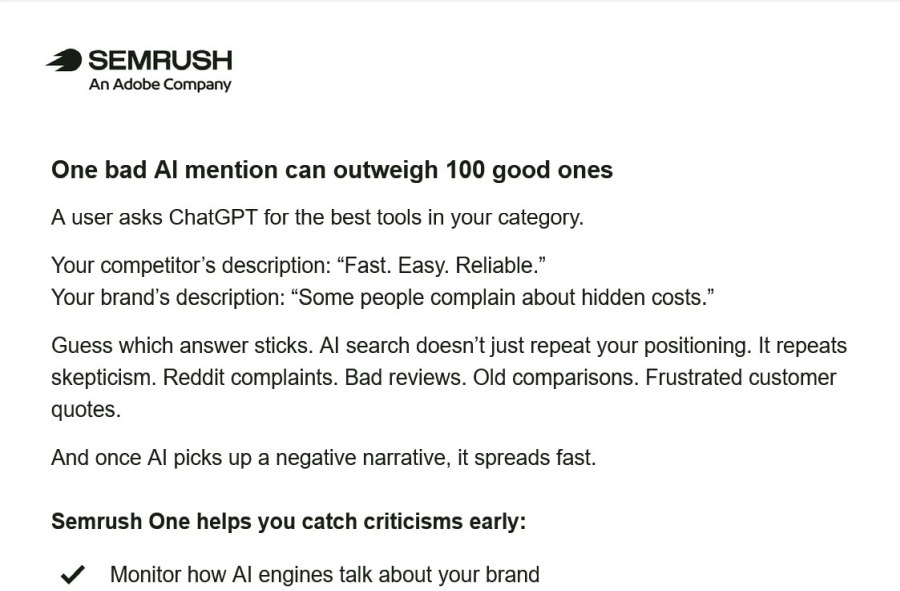
That is why Semrush used the message:
“One bad AI mention can outweigh 100 good ones.”
While this is certainly marketing language, the underlying message is important.
Negative information that repeatedly appears online can become part of the answers users receive from AI systems every day.
Research Confirms the Shift
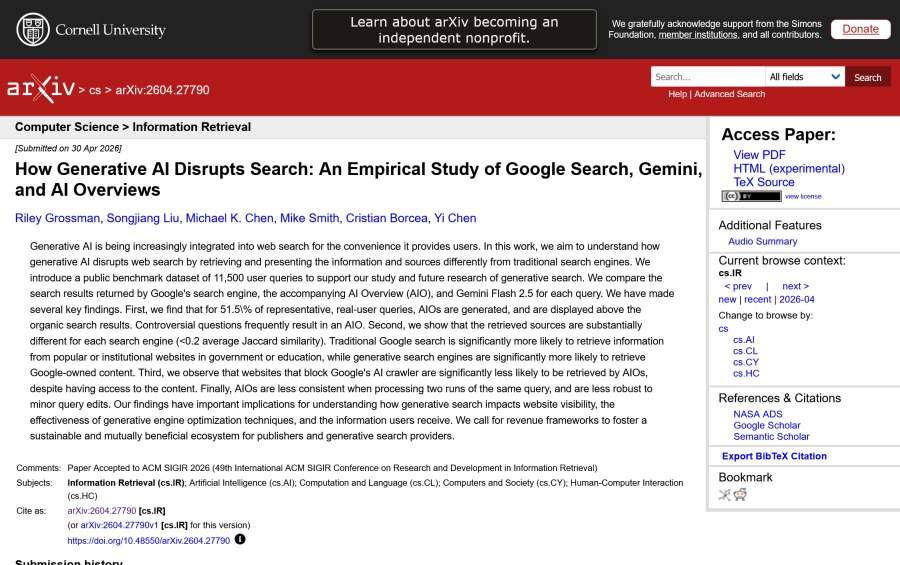
How Generative AI Disrupts Search: An Empirical Study of Google Search, Gemini, and AI Overviews
Several studies published during recent months have examined how AI-powered search works.
The findings are fascinating.
Unlike traditional search engines that display a list of results, AI systems attempt to synthesize information from multiple sources and generate a single answer.
More importantly, research indicates that AI often gives greater weight to independent sources than to information a company publishes about itself.
In practice, this means:
If a hotel claims on its website that it is the best resort in the Alps, AI systems may not place much value on that statement.
However, if the same conclusion appears across:
- travel publications,
- tourism websites,
- independent reviews,
- industry guides,
- Google reviews,
- forums,
- social media discussions,
then AI is far more likely to include that recommendation in its answers.
This is why high-quality coverage across independent websites and media outlets has become more valuable than ever before.
Google Does Not Want AI Results Manipulated
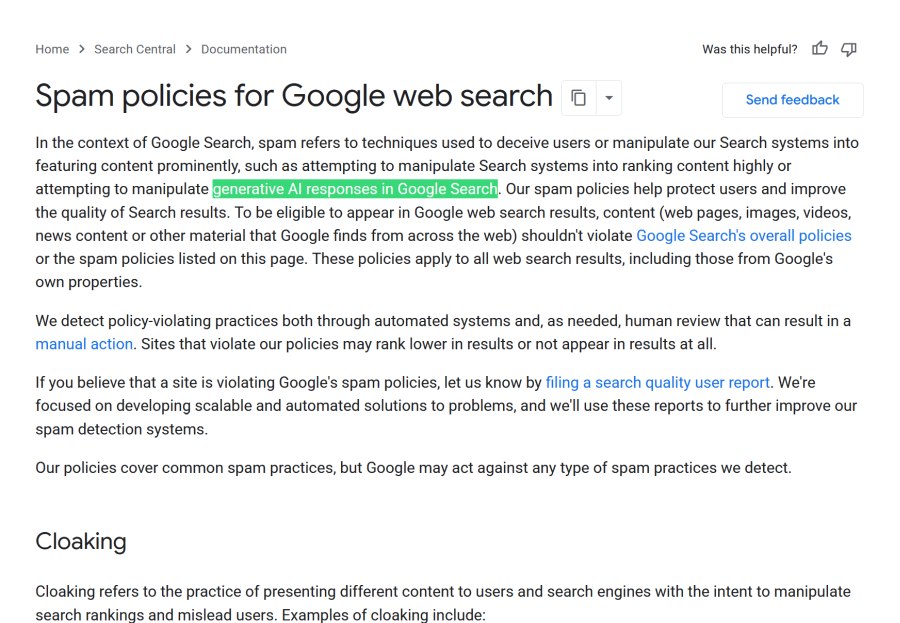
The importance of this topic is reflected in Google’s recent updates to its spam policies.
Google has introduced clearer guidelines regarding attempts to manipulate AI-generated recommendations and search experiences.
This has led to the rise of a new concept known as:
GEO — Generative Engine Optimization
However, unlike some of the SEO shortcuts used in previous years, Google has made it clear that it will not tolerate fake reviews, artificial recommendations, or content created solely to manipulate AI systems.
What Does This Mean for Local Businesses?
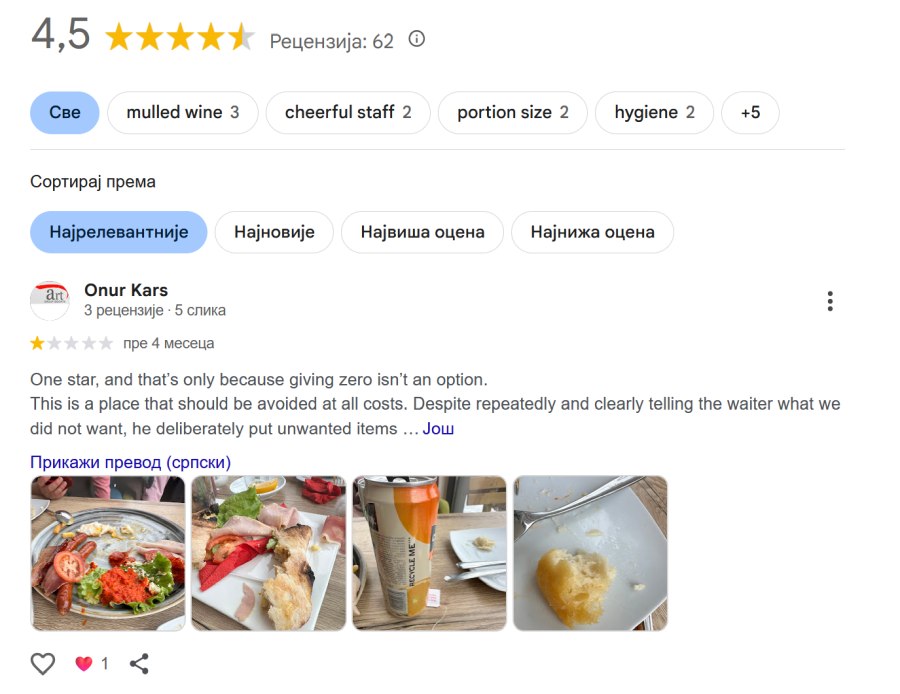
For hotel owners, tourism organizations, restaurants, agencies, consultants, and local businesses, the lesson is clear.
Having a beautiful website is no longer enough.
Trust must be built across multiple channels:
- through valuable content,
- through authentic customer reviews,
- through media coverage,
- through expert recommendations,
- through active social media engagement.
AI systems are increasingly evaluating reputation, not just search engine optimization.
Conclusion
SEO is not going away.
In fact, it remains one of the most important channels for attracting visitors and customers.
But it is no longer the only one.
In the years ahead, it will be just as important how Google sees your brand as it is how ChatGPT, Gemini, Perplexity, and other AI systems see it.
The companies that recognize this shift early will have a significant advantage.
Because in the age of artificial intelligence, it is no longer enough to be found. You must be recommended.







Comments are closed.