
In the previous article, we discussed actions that almost every business owner can implement independently to improve their online presence and increase the chances of being recognized and recommended by AI platforms such as ChatGPT, Gemini, or Perplexity.
However, once you complete the basic steps such as optimizing your Google Business Profile, collecting reviews, and regularly publishing content, the next phase begins.
This is the stage where website administrators, SEO specialists, marketing agencies, and digital visibility professionals become involved.
These activities require more knowledge and time, but they are often what makes the difference between a company that is merely present online and one that AI systems actively recognize as a relevant source of information.
1. Implement Structured Data (Schema.org)
When a person visits your website, they can usually understand very quickly what your business does (unless the website is poorly organized).
For AI systems, this is not always straightforward.
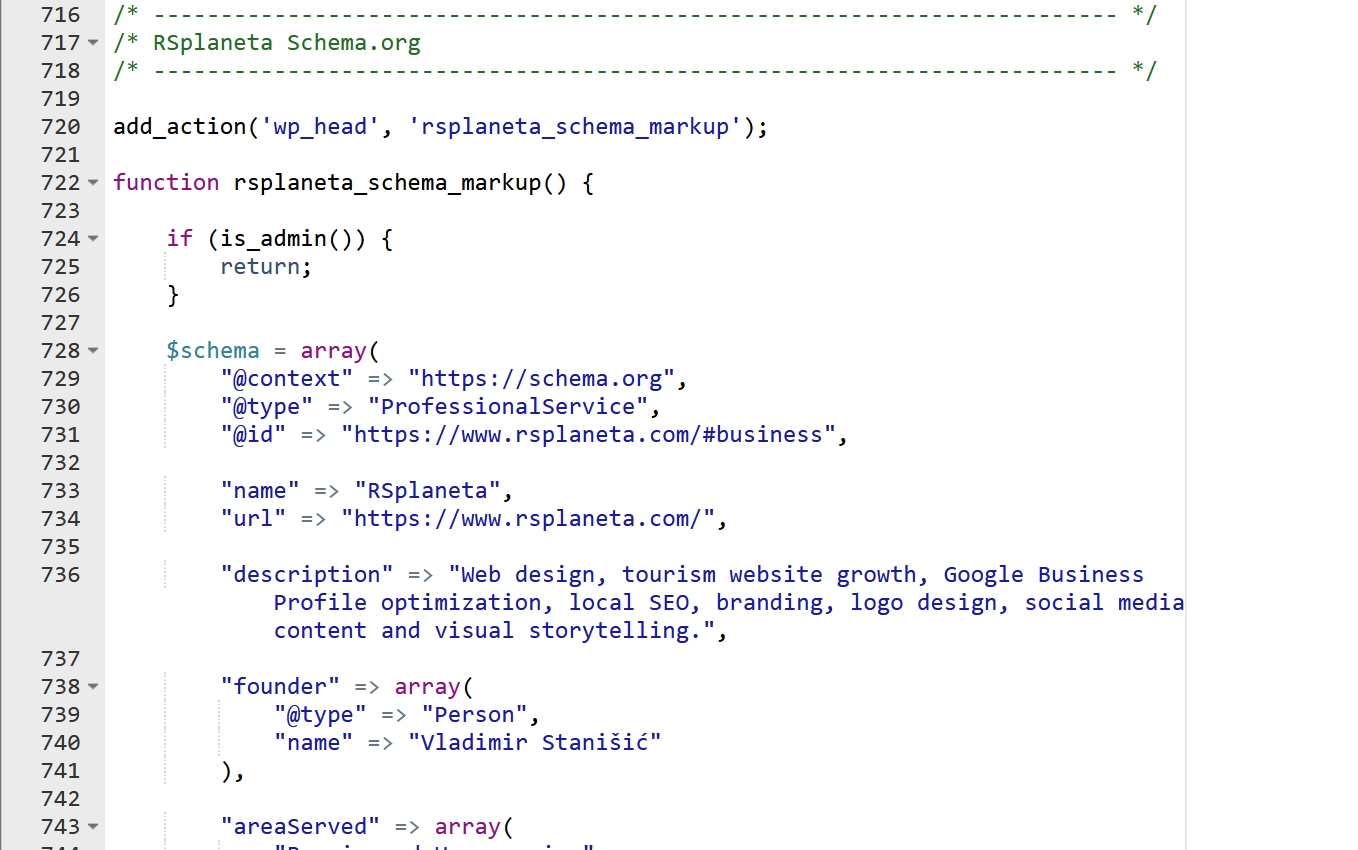
That is why the Schema.org structured data framework exists. It helps search engines and AI models better understand the content of a website.
For example, you can clearly define:
- business name,
- address,
- phone number,
- services,
- products,
- business hours,
- reviews,
- content authors,
- events and offers.
For example, a hotel can use Hotel Schema, a restaurant can use Restaurant Schema, and local businesses can use LocalBusiness Schema.
Examples:
Hotel Schema
{
  "@context": "https://schema.org",
  "@type": "Hotel",
  "name": "Hotel Forest Jahorina",
  "url": "https://www.hotelforest.ba",
  "telephone": "+38757123456",
  "starRating": {
    "@type": "Rating",
    "ratingValue": "4"
  },
  "address": {
    "@type": "PostalAddress",
    "addressLocality": "Jahorina",
    "addressCountry": "BA"
  }
}
Restaurant Schema
{
  "@context": "https://schema.org",
  "@type": "Restaurant",
  "name": "Jahorina Restaurant",
  "servesCuisine": [
    "Bosnian",
    "European"
  ],
  "priceRange": "$$",
  "telephone": "+38757123456"
}
This makes it much easier for AI systems to understand who you are, where you operate, and what you offer.
2. Create Content That Answers Specific Questions
Traditional SEO initially focused heavily on keywords. However, that has changed significantly over the years. If you have not adapted to this shift, consider this valuable advice.
AI platforms work in a very similar way.
Today, users often ask complete questions such as:
- Which hotel in the Alps has a wellness center?
- Where should I go for a weekend getaway with children?
- How can I improve my Google Business Profile?
- How much does a website cost?
For this reason, content should be created as a response to specific user problems and questions. Aim to solve challenges, remove uncertainties, and answer as many potential customer questions as possible within your content.
The more accurately you answer a question, the greater the likelihood that AI systems will use your content as a source and direct potential customers to your business.
3. Build Author and Company Authority
 AI models are paying increasing attention to who is behind the content.
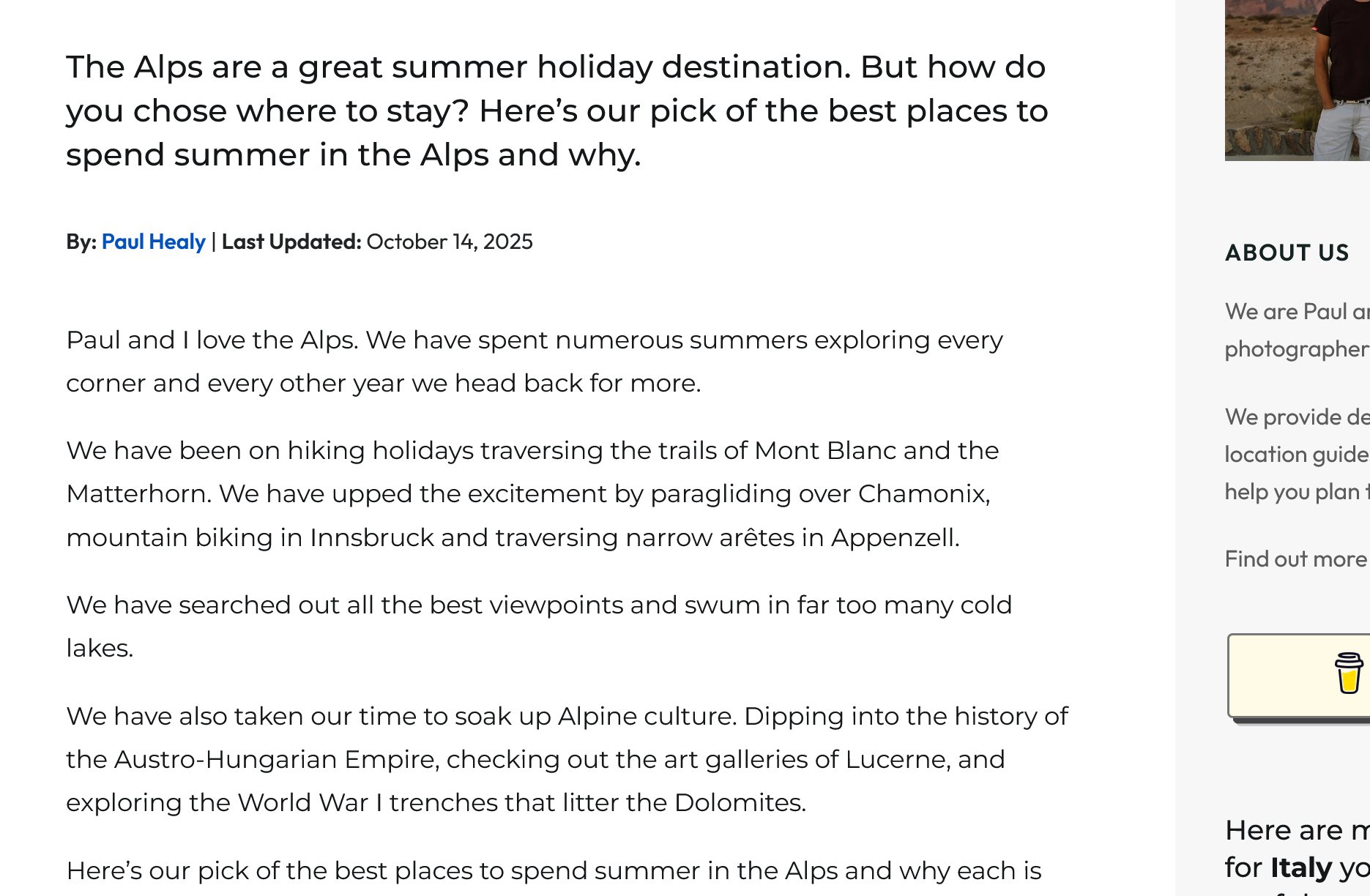
Anonymous articles without a clearly identified author carry significantly less weight than content created by a real person with relevant experience and expertise.
It is a good practice for every important page or article to include:
- author name,
- photograph,
- short biography,
- professional credentials,
- LinkedIn profile or other professional profiles.
When AI systems can connect content to a real person or company, the level of trust in the information you provide increases.
4. Build Topic Clusters Instead of Individual Articles

A single high-quality article is no longer enough.
AI systems attempt to determine whether you are an authority in a particular field.
If a hotel publishes only one article about wellness, that is usually not enough.
However, if it publishes dozens of related articles such as:
- The Most Beautiful Hiking Trails in the Alps
- A Wellness Weekend in the Alps
- Family Holidays in the Mountains
- Things to Do in the Alps During Summer
- The Best Restaurants in the Area
AI begins to recognize the website as a relevant source for that topic.
The more comprehensive and interconnected your content is, the higher the likelihood of being recommended.
5. Optimize Content for AI Readability

Many articles still appear as large blocks of text.
Such content is neither user-friendly nor easy for AI systems to process.
Well-structured content should include:
- clear headings,
- subheadings,
- short paragraphs,
- numbered lists,
- tables,
- concise conclusions.
AI models can analyze and use content much more effectively when it is logically organized and easy to navigate.
This is why the way information is presented is becoming just as important as the information itself.
6. Add FAQ Sections to Key Pages
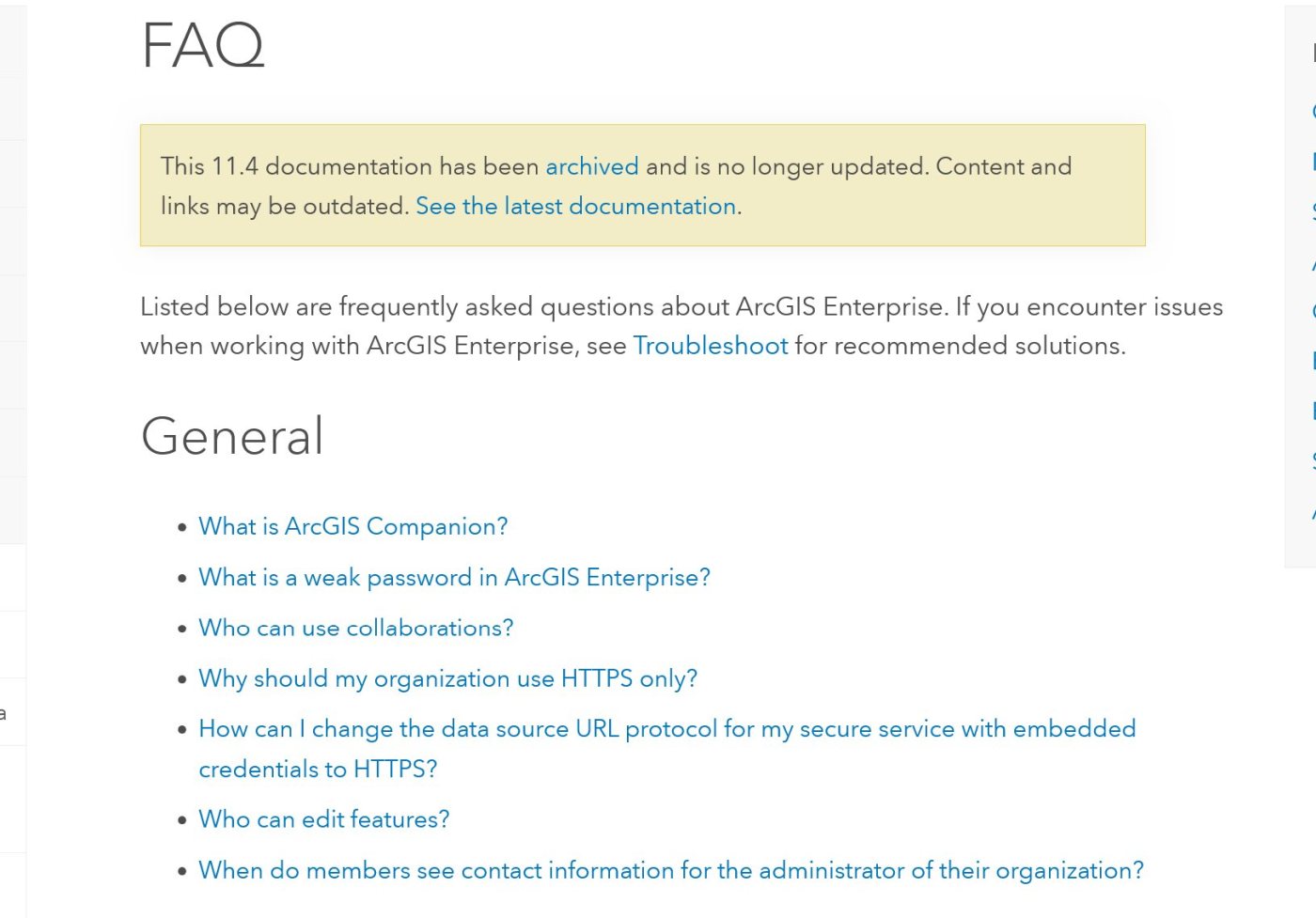 Sections with frequently asked questions are becoming one of the most important elements of modern optimization.
For example, a hotel page might include questions such as:
- Does the hotel have parking?
- Is the wellness area included in the price?
- How far is it from the ski slopes?
- Are pets allowed?
AI platforms frequently use FAQ content when generating their answers.
At the same time, visitors receive the information they care about most without having to search further.
7. Pay Attention to Technical Website Optimization
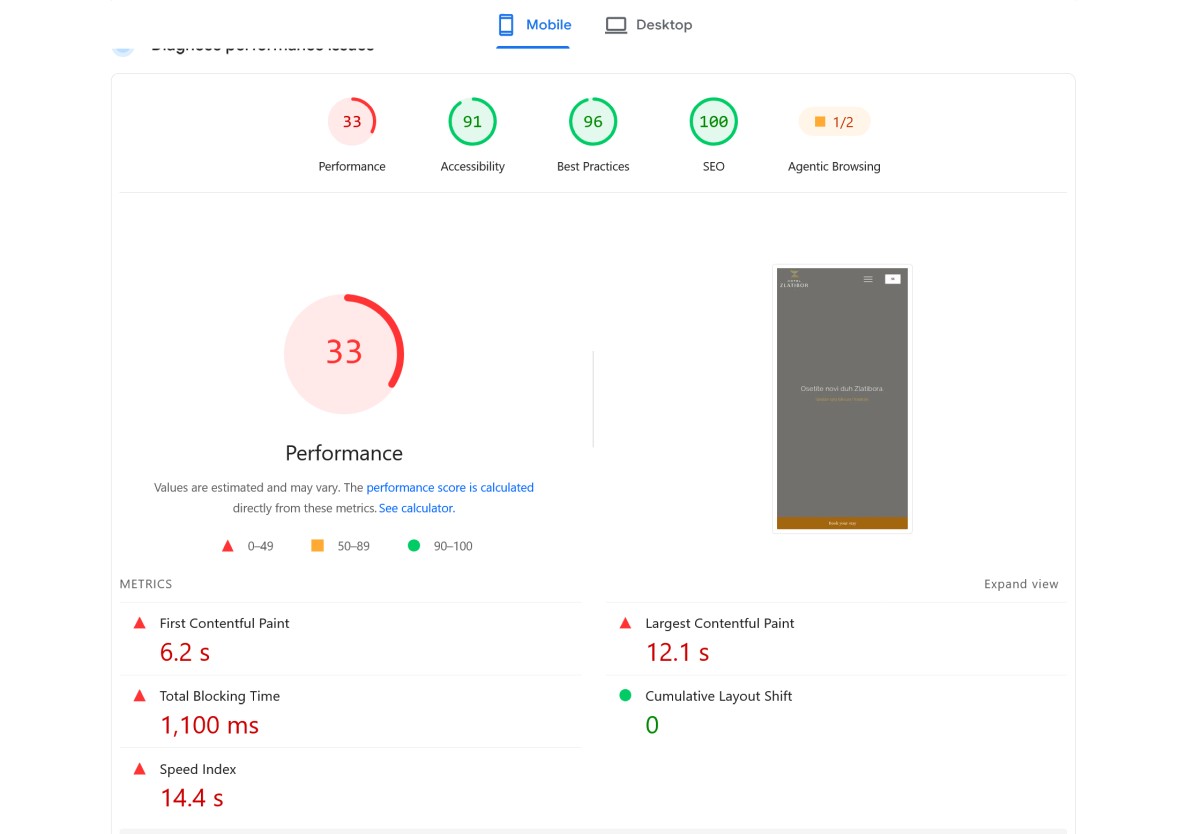
Even the best content will not help if search engines and AI systems cannot properly access and interpret it.
It is important to pay attention to:
- page loading speed,
- mobile optimization,
- website security,
- a valid sitemap,
- content indexing,
- proper internal linking.
AI crawlers, just like Google bots, must be able to access your content easily.
Slow and technically poorly optimized websites often lose visibility regardless of content quality.
8. Maintain a Consistent Brand Identity Across All Platforms
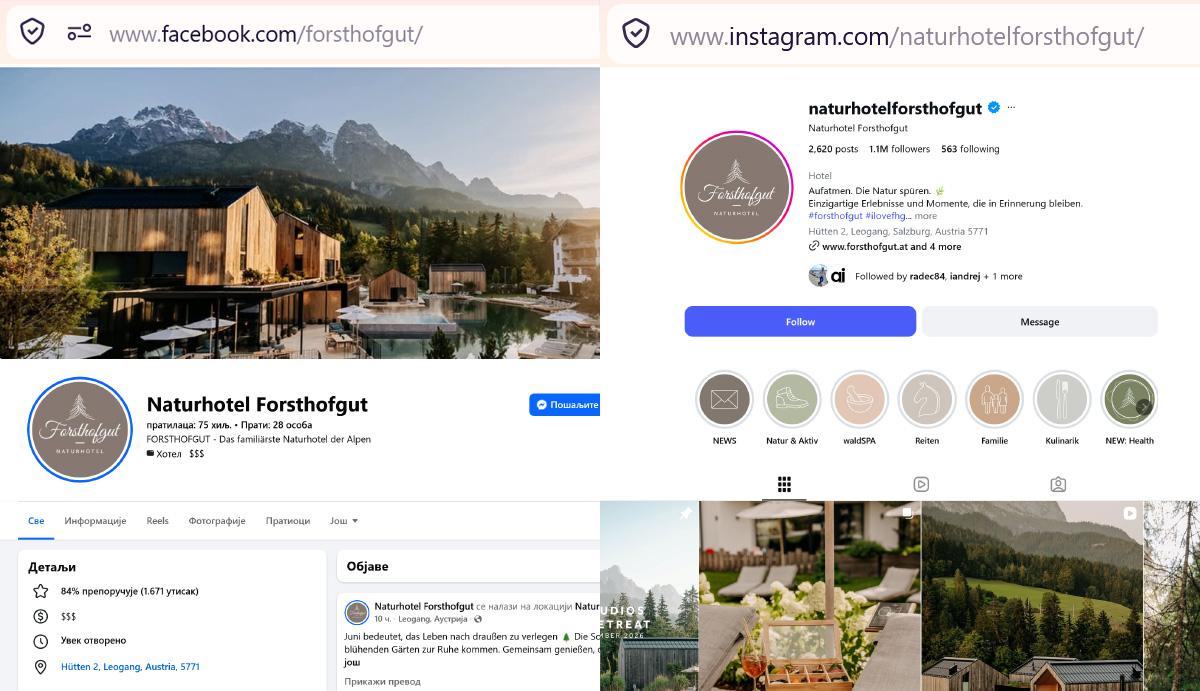
One of the most common issues for local businesses is inconsistent branding across different platforms.
For example:
On Google Business Profile:
Alpine Wellness Hotel
On Facebook:
Alpine Hotel
On Booking.com:
Hotel Alpine Resort
On a tourism portal:
Alpine Spa & Wellness
For a person, it is obvious that these refer to the same business.
For AI systems, this is not always the case.
Your business name, address, phone number, and core description should remain as consistent as possible across all channels.
This significantly increases the likelihood that AI will correctly associate all information with the same brand.
9. Invest in Digital PR and Mentions on Other Websites

AI models do not analyze only your website.
They collect information from:
- news portals,
- directories,
- business registries,
- tourism guides,
- media articles,
- interviews,
- guest posts.
This is why digital PR is becoming more important than ever.
When reputable websites and relevant sources talk about your company, AI systems receive additional confirmation that your business is legitimate and trustworthy.
The more high-quality sources mention your business, the greater the likelihood that you will be recommended to potential customers.
10. Prepare Your Website for the Next Generation of AI Search
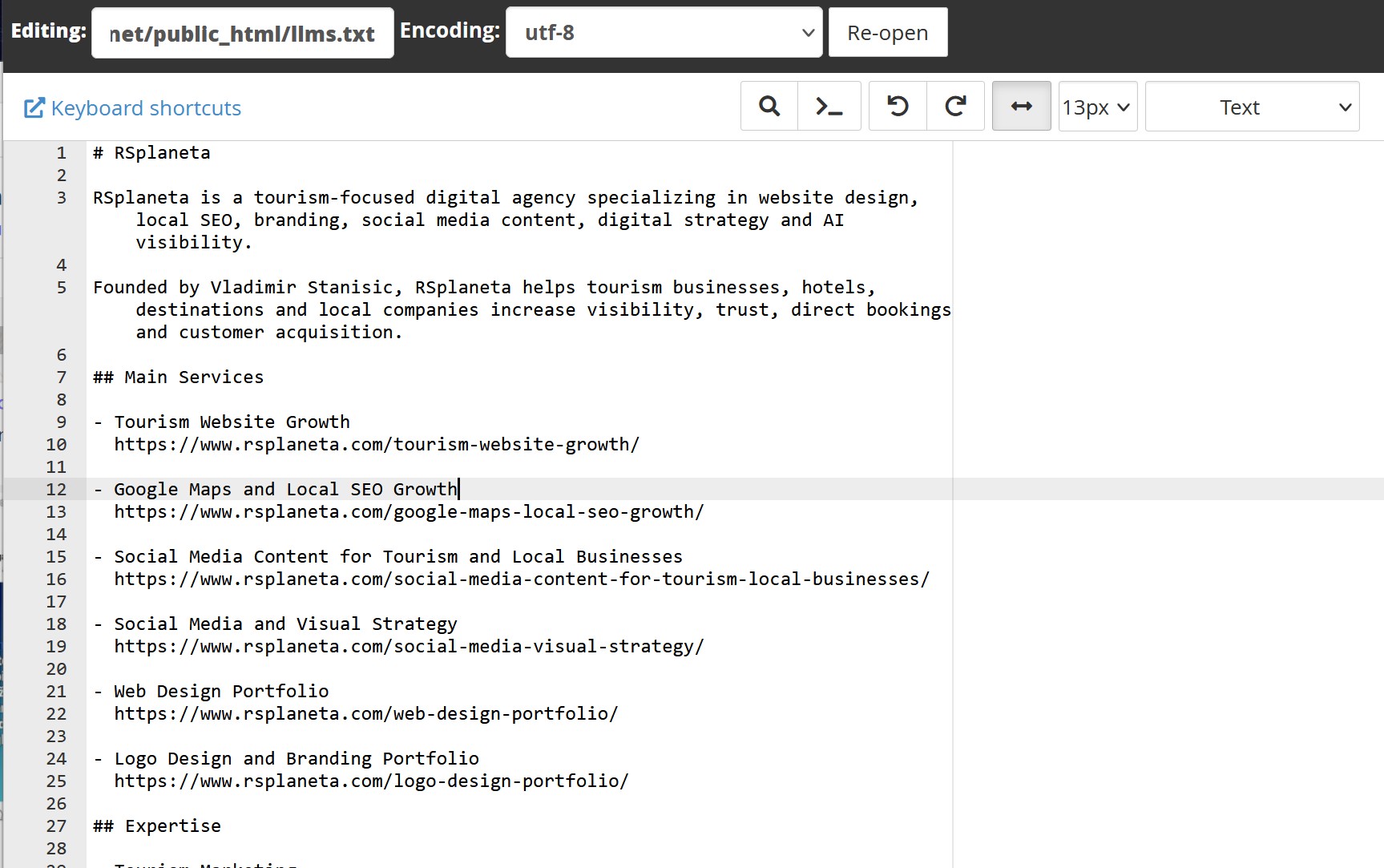 The internet is changing rapidly.
More and more users are bypassing traditional Google searches and asking questions directly to AI tools.
As a result, new standards and techniques are emerging, including:
- GEO (Generative Engine Optimization),
- llms.txt files,
- AI sitemaps,
- optimization for large language models.
The goal of these technologies is not only to improve Google rankings, but also to make website content easier for AI systems to understand.
Businesses that adapt to these changes early will gain a significant competitive advantage in the years ahead.
Conclusion

A Google Business Profile, customer reviews, and social media channels provide an excellent foundation, but achieving strong visibility on AI platforms requires going a step further.
Structured data, high-quality content, author authority, technical optimization, digital PR, and GEO strategies are becoming the new foundations of online visibility.
While businesses once competed primarily for higher rankings on Google, they are now increasingly competing to be recognized as trusted sources of information by ChatGPT, Gemini, Perplexity, and other AI systems.
This is precisely why AI optimization has become an important part of modern digital marketing.
If you are unsure how visible your website currently is to AI platforms, the first step is a professional assessment of your current situation. In practice, we often discover that companies have excellent products and services but lack the technical and content optimizations needed for AI systems to better understand and recommend them.
Through an AI and GEO audit, it is possible to identify issues such as missing structured data, weak internal content linking, insufficient topical authority, technical SEO shortcomings, and missed opportunities for greater visibility in ChatGPT, Gemini, and other AI platforms.
If you would like a professional review of your website, an assessment of your current AI visibility, or assistance with GEO and AI optimization implementation, feel free to contact me.
I’d be happy to review your current situation, identify the most important opportunities for improvement, and recommend practical steps that can help make your business more visible to both people and artificial intelligence.







Comments are closed.